Nestled on the northern coast of Wales, Conwy is a town that effortlessly blends the charm of history with the beauty of the natural landscape. While it’s often bustling with tourists during the warmer months, visiting Conwy in winter reveals a quieter, more intimate side of this medieval gem. Winter brings a unique atmosphere to the town, where the rich heritage of Conwy is best explored without the crowds, offering visitors a chance to truly connect with its past and present, as well as explore the best restaurants Conwy.
From its imposing castle to its cobbled streets and historic landmarks, Conwy offers an authentic taste of Welsh culture, history, and breath-taking scenery—perfect for a winter escape.
1. Conwy Castle: A Medieval Marvel Wrapped in Winter’s Embrace
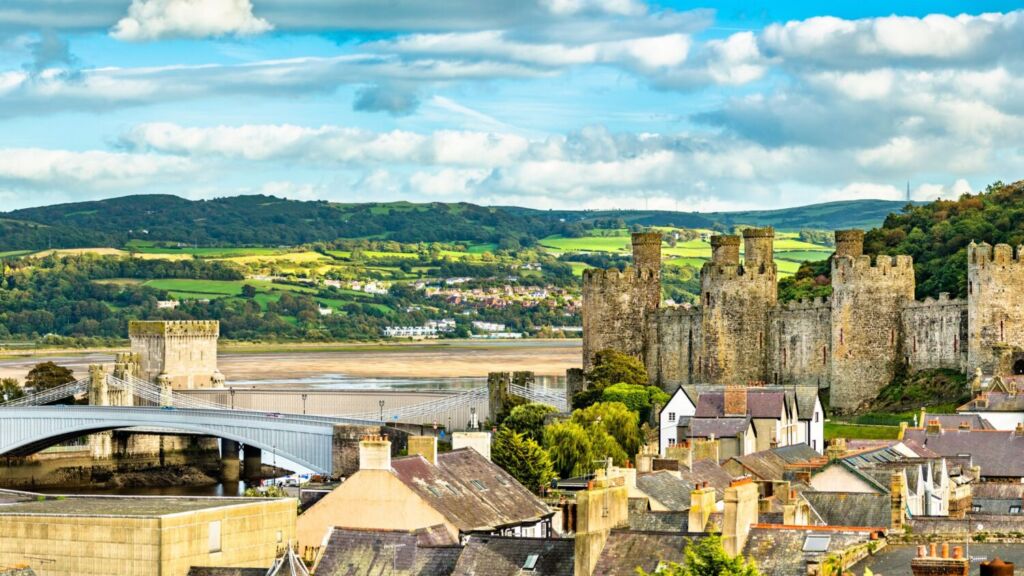
Conwy Castle, one of the most impressive and well-preserved medieval fortresses in Europe, is undoubtedly the crown jewel of the town. Constructed between 1283 and 1289 by Edward I as part of his campaign to control North Wales, the castle has stood the test of time—and winter weather—remarkably well.
In winter, Conwy Castle takes on a dramatic and atmospheric presence. With fewer visitors, you can explore its towering walls, ramparts, and towers at your own pace, taking in panoramic views of the town, the Conwy estuary, and the distant peaks of Snowdonia. On a crisp, clear day, the snow-capped mountains provide a stunning contrast to the dark stone of the castle. The quiet of winter allows you to appreciate the castle’s imposing scale and intricate history without the distractions of peak tourist season.
Inside, you can wander through the museum exhibitions, which delve into the castle’s construction, its role in the Welsh wars, and its later history. A visit to Conwy Castle during the winter months feels like stepping back in time, where the chill in the air and the solitude add to the sense of medieval grandeur.
2. The Town Walls: A Walk Through History
Another heritage highlight of Conwy is its town walls, which form one of the most complete and well-preserved sets of medieval town walls in Britain. Originally built by Edward I as part of his fortress town in the late 13th century, the walls were designed to protect the town from invaders. Today, visitors can walk along a section of these walls, which stretch for nearly a mile, providing elevated views over the town, the surrounding countryside, and the estuary.
In winter, walking along the walls is an especially peaceful experience. The quieter months mean fewer people, giving you a sense of having this historical landmark almost to yourself. The walls are punctuated by several watchtowers, which offer fantastic photo opportunities—especially against the winter backdrop. The crisp air and sense of isolation make it a meditative walk, allowing you to appreciate the strategic importance of these ancient fortifications and their role in Conwy’s heritage.
3. Quaint Streets and Historic Architecture
Beyond its castles and walls, Conwy is a town filled with charming streets and historic buildings that reflect its rich past. In winter, the cobbled lanes and narrow alleys seem to glow with a quiet warmth, and the town’s compact size makes it ideal for a leisurely exploration.
Key sites include the Plas Mawr, a well-preserved Elizabethan townhouse that showcases the affluence of the period. The house, once home to a wealthy merchant, is an excellent example of Renaissance architecture and interior design. Visiting during the winter means fewer crowds, so you can take your time exploring the beautifully decorated rooms, wooden panelling, and intricate plasterwork.
Another must-see is the Smallest House in Britain, located on the quayside. This tiny, charming building measures just 10 feet by 6 feet and offers a glimpse into how people once lived in Conwy’s bustling past. It’s the perfect place for a quirky winter photo op.
Wandering through Conwy’s maze of streets, you’ll also come across local shops selling handmade goods, art, and traditional Welsh crafts – perfect for picking up unique souvenirs that reflect the town’s heritage.
4. Conwy’s Historic Harbour: A Winter Waterfront
Conwy’s harbour, while quieter in the winter months, is equally picturesque and steeped in history. The town’s location on the estuary was once vital to its prosperity, as the port played a key role in trade. Today, the waters are calm and reflective, offering a serene spot to explore.
The quayside is home to several historical buildings, including The Aberconwy House, a 14th-century merchant’s house that has been preserved by the National Trust. Visiting in winter means you can enjoy the peacefulness of the harbour without the summer crowds, and the nearby Conwy Suspension Bridge, designed by Thomas Telford, looks especially striking when framed by winter’s frost and low light.
If you’re a fan of wildlife, you may also spot seabirds and wintering ducks along the estuary. The surrounding area offers tranquil walks along the coastline, where you can enjoy the rugged beauty of the cliffs and the occasional glimpse of snow-covered hills.
5. Winter Festivals and Events: A Taste of Local Culture
While Conwy may be quieter in winter, the town still has a few seasonal events that highlight its Welsh heritage. The Conwy Feast, typically held in October, celebrates local food, drink, and culture, but throughout the winter months, local businesses still celebrate the traditions of Conwy with seasonal treats and warm hospitality.
Winter also sees the town decorated in festive lights, particularly around Christmas, creating a magical atmosphere as you stroll through the town. The Conwy Christmas Markets, often held in the run-up to Christmas, bring local artisans and food producers together in a celebration of Welsh produce. These markets, set against the backdrop of medieval buildings and the castle, offer an intimate shopping experience, where you can find everything from hand-carved wooden gifts to homemade cheeses and chutneys.
6. Welsh Cuisine: Savouring Local Flavours
No visit to Conwy is complete without tasting some traditional Welsh fare, and winter is the perfect time to indulge in hearty, comforting dishes. Many of the town’s pubs and restaurants serve up dishes like cawl (a warming Welsh soup made with lamb and vegetables), Welsh rarebit (a rich, melted cheese dish), and fresh local seafood from the estuary.
The cosy pubs of Conwy are ideal for enjoying a hearty meal after a day of sightseeing. Whether you’re sipping a pint of Welsh ale or enjoying a bowl of steaming cawl, the food in Conwy reflects the town’s deep connection to its local produce and its maritime heritage.
7. A Peaceful Escape: The Allure of Conwy in Winter
One of the most compelling reasons to visit Conwy in winter is the sense of peace and solitude that the town offers during this season. With fewer tourists around, you have the chance to experience the town’s rich heritage in a more personal and reflective way. The crisp winter air, combined with the town’s historical sites and stunning natural surroundings, creates an almost timeless atmosphere.
In a town as steeped in history as Conwy, winter allows you to peel back the layers and truly appreciate its place in the story of Wales. Whether you’re exploring ancient castles, strolling along medieval walls, or enjoying a warm Welsh meal by the fire, Conwy in winter offers a heritage experience that is rich, authentic, and deeply memorable.
Conwy, with its ancient history, stunning architecture, and scenic views, is a town that captivates visitors year-round. However, visiting in winter offers a unique perspective on its heritage—quiet, intimate, and brimming with charm. From the majestic Conwy Castle to the quaint streets and festive events, Conwy’s historical heart is best explored when the town is dressed in its winter coat. If you’re looking for a true Welsh escape this winter, Conwy offers a perfect blend of history, culture, and natural beauty that is sure to leave you enchanted.