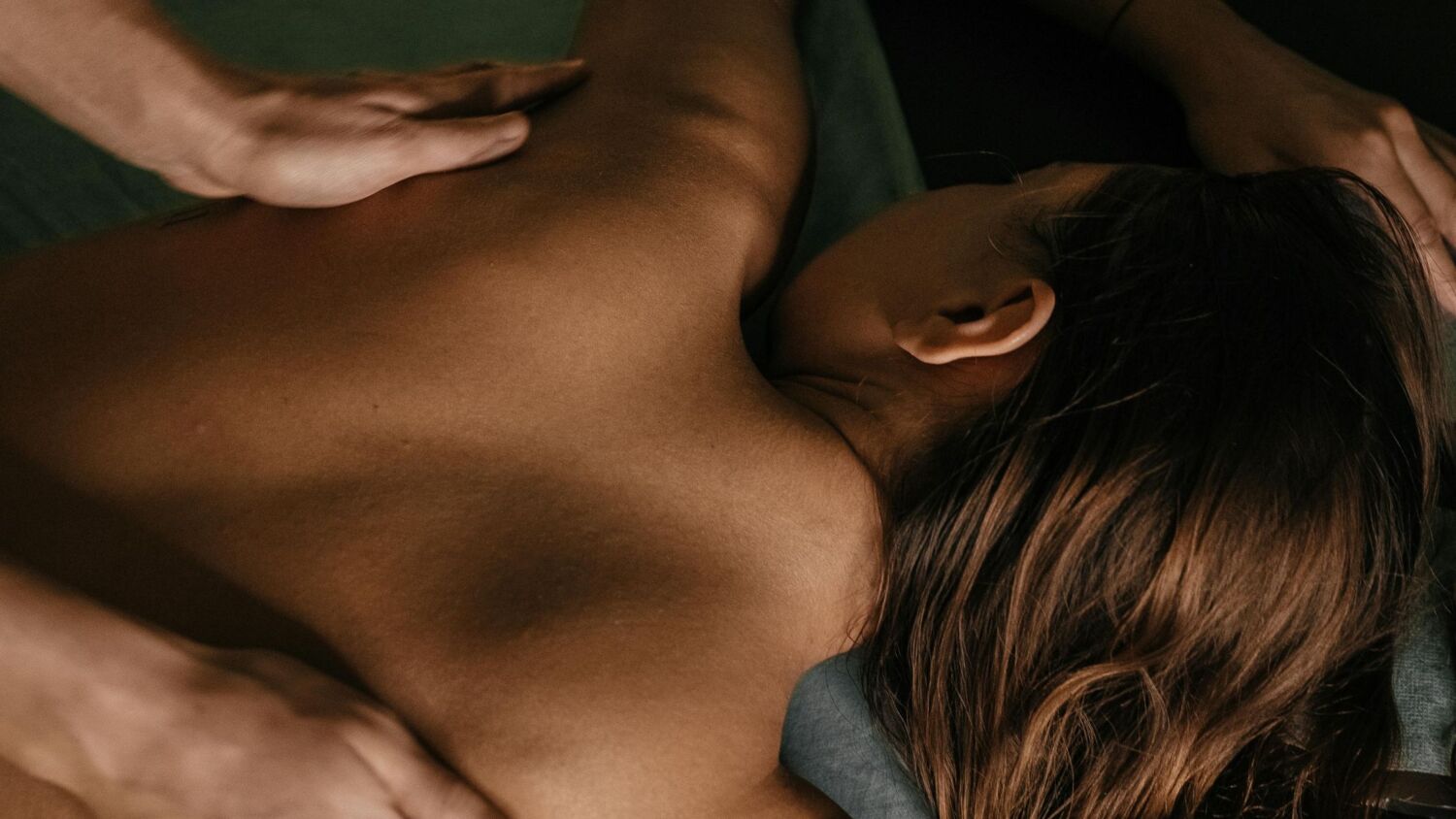
In today’s fast-paced world, anxiety has become a common challenge affecting people of all ages. While talking therapies and medication play an important role in treatment, many individuals are also exploring complementary approaches to support their mental wellbeing. One such approach is massage bangor therapy.
But can regular massage genuinely help manage anxiety? Research and real-life experiences suggest it might. Here’s a closer look at how massage can benefit those living with anxiety and what to consider if you’re thinking of including it in your self-care routine.
Understanding Anxiety and the Body
Anxiety is more than just feeling stressed or overwhelmed. It often involves a constant state of worry, restlessness and physical tension. Over time, this can affect sleep, digestion, concentration and overall health. The body’s stress response releases hormones like cortisol and adrenaline, keeping us in a heightened state of alertness. Massage therapy may help calm this response and promote relaxation.
How Massage Helps Relieve Symptoms of Anxiety
1. Reduces Muscle Tension
One of the most immediate benefits of massage is the relief of physical tension. Anxiety often manifests in the body through tight shoulders, a clenched jaw or back pain. Regular massage helps release this tension, allowing the body to relax and unwind.
2. Encourages Relaxation
Massage can stimulate the parasympathetic nervous system, often referred to as the “rest and digest” mode. This helps slow the heart rate, lower blood pressure and promote a sense of calm. Many clients report feeling lighter, calmer and more centred after a session.
3. Improves Sleep Quality
Poor sleep and anxiety often go hand in hand. Massage has been shown to improve sleep patterns by reducing stress hormones and promoting deeper relaxation. Better sleep can, in turn, improve mental resilience and reduce feelings of anxiety.
4. Boosts Mood
Massage may help increase the production of feel-good chemicals like serotonin and dopamine. These neurotransmitters play a key role in mood regulation and emotional balance. Regular sessions can support a more stable and positive outlook over time.
What the Research Says
Several studies have explored the link between massage and anxiety reduction. A 2010 review published in the Journal of Clinical Psychiatry found that massage therapy can significantly reduce symptoms of anxiety and depression in a variety of settings. While massage is not a replacement for professional mental health care, it can be a useful addition to a broader treatment plan.
Choosing the Right Massage for Anxiety
Not all massage styles are the same, and some are more suitable for anxiety management than others. If relaxation is your goal, consider the following options:
- Swedish massage: Known for its gentle, flowing strokes that promote calm and relaxation.
- Aromatherapy massage: Combines touch with essential oils, which can enhance the calming effect.
- Reflexology: Focuses on pressure points in the feet, which may help release tension throughout the body.
It is always a good idea to speak to your therapist beforehand about your goals and any health concerns.
A Gentle Step Towards Wellbeing
Living with anxiety can feel overwhelming, but small, consistent steps can make a real difference. Regular massage therapy may not be a cure, but it can offer moments of calm and comfort in an otherwise stressful world. Whether as part of a treatment plan or simply a personal act of self-care, massage offers both physical and emotional support.
If you are considering massage for anxiety, speak to a qualified therapist who understands your needs and can tailor the experience accordingly. With time, you may find it becomes a valuable part of your wellbeing routine.