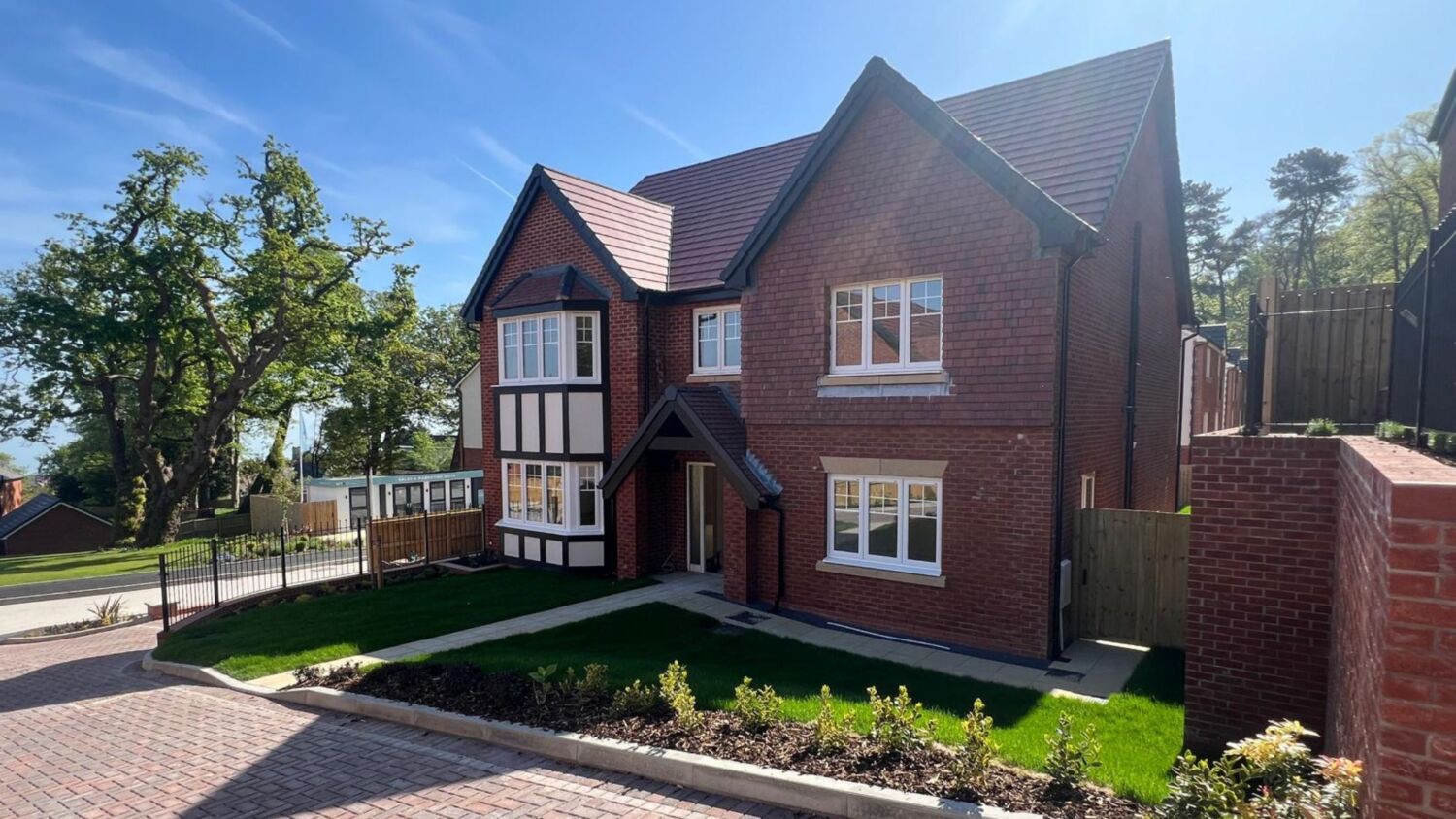
When it comes to choosing new houses north wales, location is everything. It can affect not only your daily convenience and lifestyle but also the long-term value of your investment. Choosing the right location is a crucial decision that requires careful consideration of various factors. Here’s a guide to help you make an informed choice and ensure your luxury new build home is in the best possible spot.
1. Assess Your Lifestyle and Priorities
The first step in choosing a location for your new build is understanding your lifestyle and what’s most important to you. Here are some questions to ask yourself:
- Work: How far are you willing to commute? Would you prefer a location that’s close to your job, or are you okay with a longer commute if it means getting a larger home or a better neighbourhood?
- Family Needs: If you have children (or plan to), the proximity to good schools, parks, and recreational facilities might be a top priority.
- Social Life: Consider your social and community needs. Do you prefer a quiet suburban neighbourhood, or do you want to be near a lively town centre with plenty of entertainment options?
Understanding your daily habits and needs will guide you towards a location that aligns with your lifestyle.
2. Consider Proximity to Amenities
One of the main benefits of buying a new build is the access to modern infrastructure and amenities. Here’s a checklist of important amenities to consider when evaluating the location:
- Schools: If you have or plan to have children, proximity to quality schools is essential. Research local public and private schools in the area.
- Shopping and Groceries: Being near grocery stores, shopping malls, or a local market can significantly ease your life. A well-connected neighbourhood with convenient shopping options will save you time.
- Healthcare: Ensure the area is close to hospitals, clinics, or other healthcare facilities in case of emergencies or regular visits.
- Transport Links: If you rely on public transport, make sure there are bus stops or train stations nearby. Even if you drive, proximity to motorways and major roads can make daily commuting easier.
3. Research the Neighbourhood’s Safety
Safety is a top concern for any homeowner. You want to feel comfortable and secure in your new home. Here’s how to assess the safety of a location:
- Crime Rates: Check crime statistics for the neighbourhood. Many websites provide crime maps that allow you to see the rate of incidents in specific areas.
- Community Engagement: Look for signs of an active and engaged community, such as neighbourhood watch programmes or local events. A close-knit community can add an extra layer of security.
- Street Lighting and Visibility: Well-lit streets and good visibility are signs of a safe neighbourhood. Drive or walk around the area at night to get a feel for its safety.
4. Evaluate the Future Growth of the Area
You’re not just buying a home—you’re making an investment. And part of a good investment is choosing a location that’s likely to increase in value over time. Here’s how to evaluate the potential for future growth:
- Urban Development Plans: Research the area’s development plans. Are there new schools, hospitals, parks, or commercial centres planned for the future? New infrastructure can increase property values.
- Population Growth: Areas experiencing population growth tend to see an increase in home values. Check local statistics to see if the area is growing or if it has potential for future expansion.
- Zoning and Building Regulations: Some locations may be subject to specific zoning laws or building regulations that can affect future development. Research these factors to ensure the area is conducive to your long-term goals.
5. Consider the Neighbourhood’s Character and Style
Every neighbourhood has its own unique vibe. Whether you’re looking for a lively urban setting or a quiet suburban retreat, it’s essential to find a neighbourhood that feels like home. Here’s how to assess the character of a location:
- Existing Homes and Architecture: Take a walk through the area and pay attention to the architectural style of the homes. Does the neighbourhood feel cohesive? Would you be happy living there long-term?
- Community Activities and Events: What’s the neighbourhood like in terms of social events and community activities? Some areas have vibrant communities with frequent events, while others may offer a more laid-back environment.
- Noise Levels: Consider the noise level in the area. Is it quiet and peaceful, or is it noisy and bustling? Think about whether you prefer a tranquil environment or one with more activity.
6. Research Local Schools
Even if you don’t have children, the quality of local schools can impact the value of your home. Homes in areas with excellent schools tend to have higher resale values, as families with school-aged children often prioritise school proximity when choosing where to live. Research the reputation of schools in the area and review their academic performance.
7. Examine Local Taxes and Cost of Living
The cost of living and property taxes can vary greatly from one area to another, affecting your long-term affordability. Research the local tax rates, including property taxes, income taxes, and any other fees that may be specific to the area. In some cases, a seemingly affordable neighbourhood could come with high taxes or living costs, which might impact your budget in the long run.
8. Check Environmental Factors
The environmental aspects of a location can significantly impact your quality of life and the sustainability of your new home. Consider these factors:
- Climate: What’s the weather like year-round? Are you comfortable with the local climate, whether it’s a hot, dry area, a coastal environment, or colder, more temperate regions?
- Flood Zones and Natural Disasters: Research whether the area is prone to floods, earthquakes, or other natural disasters. Check flood zone maps and ask your builder or estate agent about the risks in the area.
- Noise and Air Quality: Assess noise pollution levels and air quality. Busy roads, airports, or factories nearby can negatively affect the environment.
9. Visit the Area Multiple Times
Once you’ve narrowed down potential locations, it’s important to visit each area multiple times at different times of day. Check the traffic flow during rush hours, experience the neighbourhood’s atmosphere at night, and gauge how it feels during weekends or holidays. This will help you get a better sense of what life would be like living there.
10. Speak with Locals
To get the most accurate and honest perspective on the location, talk to residents of the neighbourhood. Ask about their experiences living in the area, including the pros and cons. Locals can provide valuable insights into the community, and they might even alert you to issues that aren’t immediately apparent.
Conclusion: The Right Location for Your New Build Home Choosing the right location for your new build home is a decision that will impact your lifestyle, convenience, and investment potential. By considering your personal needs, the neighbourhood’s amenities, future growth prospects, and overall atmosphere, you can select the perfect location that suits both your present and future goals. Take your time, do your research, and trust your instincts—it’s worth the effort to find the ideal spot for your new home.