Your roof is one of the hardest working parts of your home, quietly protecting everything beneath it from wind, rain, and everything the Welsh weather can throw at it. Yet because it is out of sight, it is often out of mind, until a leak appears or a slate comes loose during a storm. Knowing what to look for, and when to call in professional roofers north wales, can save you from far more costly repairs down the line.
Why Roof Maintenance Matters
A well maintained roof does more than keep you dry. It protects the structural integrity of your home, prevents damp and mould from developing in your loft space, and helps regulate energy efficiency by keeping insulation dry and effective. Small issues left unchecked, such as a single cracked tile or a blocked gutter, can quickly lead to much larger and more expensive problems, including water damage to ceilings, walls, and even electrical systems.
Common Warning Signs of Roof Damage
Most roofing problems give some warning before they become serious. Keep an eye out for:
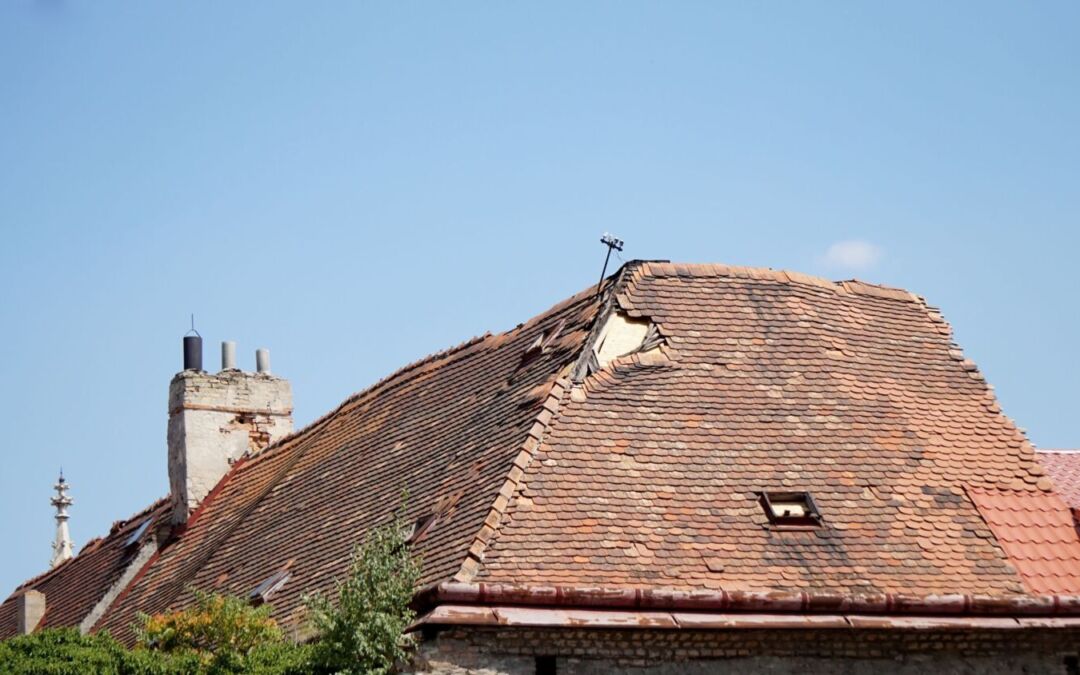
- Missing, cracked, or slipped tiles or slates, often noticeable after high winds or storms
- Sagging areas on the roofline, which can indicate structural issues or water damage to the timber beneath
- Damp patches or staining on ceilings, a common sign that water is finding its way in somewhere
- Moss and algae buildup, which can trap moisture against roofing materials and accelerate wear
- Daylight visible through the loft, a clear sign that gaps have developed in the roofing structure
- Blocked or overflowing gutters, which can cause water to back up under tiles or damage fascias and soffits
- Rising energy bills, sometimes linked to poor insulation caused by a compromised roof
The Impact of Welsh Weather on Roofs
Roofs in Wales face a particular set of challenges. Frequent rain, strong coastal winds, and periods of frost all place extra strain on roofing materials over time. Freeze thaw cycles can cause small cracks in tiles to widen, while persistent damp conditions create ideal circumstances for moss and lichen growth, which can lift tiles and trap moisture beneath them. Homes in coastal or exposed areas often need more frequent inspections simply because of the additional wear caused by salt laden winds and heavier rainfall.
How Often Should a Roof Be Inspected
Even without obvious signs of damage, it is good practice to have a roof inspected at least once a year, ideally in autumn before winter weather sets in, and again after any particularly severe storm. Older roofs, or those that have not been checked in several years, may benefit from more frequent inspections to catch small issues before they develop into major repairs.
Repair or Replace
Not every roofing issue means a full replacement is necessary. A qualified roofer can assess whether:
- A targeted repair, such as replacing a handful of tiles or resealing a section of flashing, will resolve the problem
- Broader repairs are needed, such as addressing multiple weak points across an ageing roof
- A full re-roof is the more cost effective long term solution, particularly if the roof is nearing the end of its expected lifespan or has widespread underlying damage
Getting a professional opinion early, rather than waiting until a leak forces the issue, generally gives you more options and better control over cost.
Choosing a Roofing Contractor
When selecting someone to carry out roofing work, look for a contractor who is properly insured, experienced with the specific type of roof you have, and willing to provide a clear, written quote before starting any work. Local knowledge matters too, since a contractor familiar with the particular weather conditions and common building styles in your area is more likely to spot issues that a less experienced eye might miss. For homeowners across Wales dealing with storm damage, ageing roofs, or routine maintenance, an experienced local roofing team can carry out a thorough inspection and recommend the right course of action.
Final Thoughts
A roof rarely fails all at once. It tends to give warning signs first, a missing tile here, a damp patch there, and catching these early is almost always cheaper and less stressful than dealing with a full blown leak. A little regular attention, paired with the occasional professional inspection, goes a long way toward keeping your home dry, warm, and protected for years to come.