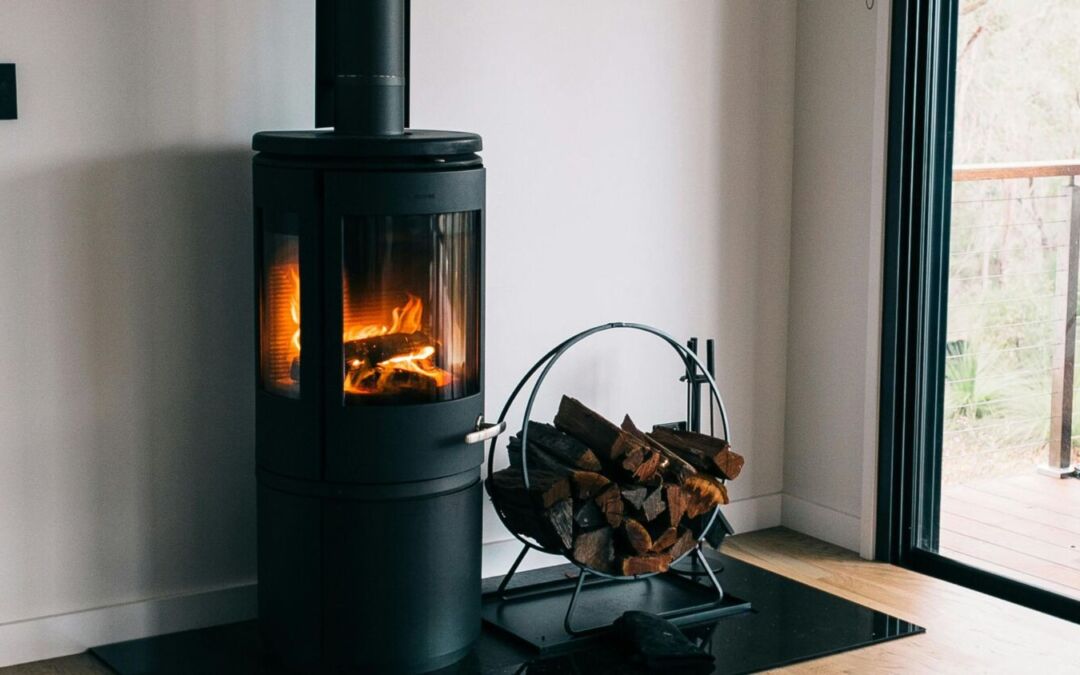
When it comes to burning firewood, no one likes to see their carefully gathered logs turn to ash too quickly. Whether you’re using firewood for heating your home, creating a cosy ambiance, or cooking, learning how to make your quality kiln dried bulk firewood last longer is essential to getting the most out of your wood supply. In this blog, we’ll share tips and techniques to ensure your firewood burns hotter and lasts longer, allowing you to maximise its value and efficiency.
Choose the Right Type of Firewood
Not all firewood is created equal, and the type of wood you can burn can have a significant impact on how long it lasts. Generally, kiln dried hardwoods are denser and burn longer than softwoods. Here are a few tips on which wood types to prioritise:
- Hardwoods: Oak, hickory, maple, ash and beech are excellent choices for long-lasting fires. These woods are dense and have a slower burn rate, which means they’ll provide heat for a longer period.
- Softwoods: Pine, fir and source are known for burning faster and producing more smoke. While they can be great for kindling or creating a quick fire, they aren’t ideal if you’re looking for long-lasting fuel.
Season Your Firewood Properly
Seasoning firewood is one of the most important factors in ensuring a long, clean burn. Wood that is properly seasoned (dried) will burn hotter, more efficiently, and for a longer period. Freshly cut wood contains high moisture content, which makes it harder to burn and can cause excessive smoke and creosote buildup in your chimney.
How to Season Firewood:
- Cut and Split: Cut the wood into manageable lengths and split it. Splitting the wood exposes more surface area to the air, allowing it to dry out more quickly.
- Stack Properly: Stack your firewood off the ground in a well-ventilated area, preferably in a sunny spot. Make sure the stacks are loosely arranged to allow airflow, and cover the top of the pile to protect it from rain or snow while leaving the sides exposed.
- Wait 6-12 Months: Firewood typically needs to season for about six months to a year, depending on the climate and the wood type. Hardwoods may take longer to season than softwoods.
Store Firewood Correctly
The way you store your firewood can also affect how long it lasts. Storing firewood properly prevents moisture buildup, mold, and pests while ensuring that your logs stay dry and ready to burn.
Tips for Storing Firewood
- Elevate the Wood: Store your firewood off the ground to prevent it from absorbing moisture from the soil. Use pallets, a firewood rack, or a raised platform.
- Cover the Top: Protect your firewood from rain and snow by covering the top of the pile with a tarp or firewood cover. Make sure the sides are open to promote airflow and prevent trapped moisture.
- Keep the Wood in a Dry Location: If storing firewood indoors, ensure it’s kept in a dry, well-ventilated area, such as a shed, garage, or a covered porch. Avoid storing wood in places where humidity or moisture can accumulate.

Use a Hot Fire to Get the Most Heat
When burning firewood, one of the key factors in making it last longer is ensuring the fire burns efficiently and consistently. A low-burning fire will consume wood slowly and inefficiently, while a hotter, well-maintained fire will make your logs last longer.
Tips for a Hotter Fire:
- Use Seasoned Wood: Dry wood burns hotter and cleaner. Wet wood will create excess smoke, make the fire burn cooler, and result in less usable heat.
- Build a Hot Fire: Start with small, dry kindling and gradually add larger logs as the fire grows. Avoid overloading the firebox, which can suffocate the fire. A small but intense fire is more efficient than a large, sluggish one.
- Maintain Good Airflow: Ensure that there’s proper ventilation in your fireplace or wood stove. A restricted air supply can cause incomplete combustion, resulting in wasted heat and faster consumption of firewood.
Burn in Small, Controlled Loads
Instead of loading your stove or fireplace with large amounts of firewood all at once, burn smaller, controlled amounts. This approach ensures that the wood burns at an optimal temperature and reduces the chances of wasting fuel.
Why Smaller Loads Work Better:
- More Consistent Heat: Small, controlled burns produce more consistent heat and last longer.
- Better Airflow: Overloading your fire can restrict airflow, causing the fire to smolder and burn less efficiently.
- More Efficient Combustion: With less wood, you can ensure that each log burns completely, minimising waste.
Use a Wood Stove or Fireplace Insert
A traditional open fireplace might create a cosy atmosphere, but it can also lead to a lot of wasted firewood. The heat escapes up the chimney rather than warming your room. A wood stove or fireplace insert is designed to maximise heat efficiency and burn wood for a longer period.
Benefits of Using a Wood Stove or Insert:
- Improved Heat Retention: Wood stoves and inserts are designed to keep heat in the room rather than letting it escape up the chimney.
- Longer Burn Time: These appliances are typically more efficient and can keep a fire burning for longer periods, using less firewood.
- Cleaner Burning: Modern wood stoves and inserts are equipped with features that reduce smoke production and creosote buildup.
Consider Using a Firewood Species Combustion Strategy
For maximum efficiency, try to combine different types of firewood depending on the desired burn time. For instance, mix softwoods like pine with hardwoods like oak or hickory to get the quick starting and hot burn of softwood, with the longer-lasting burn of hardwood.
By following these strategies, you can make your firewood last longer, saving money, reducing your environmental impact, and enjoying longer, more efficient fires. Proper seasoning, correct storage, and burning techniques will help you get the most out of your firewood, whether you’re heating your home, cooking, or simply relaxing by the fire. Remember, the better care you take of your firewood, the more heat and enjoyment you’ll get out of each log!